
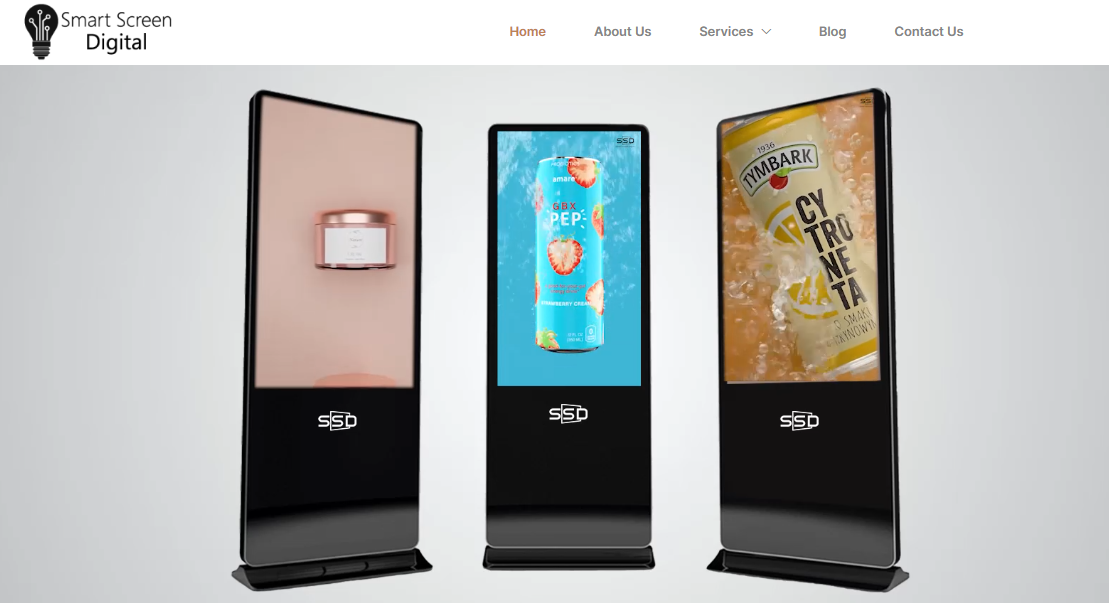
In today’s fast-paced digital world, traditional advertising methods are no longer enough to capture customer attention. Brands now need smart, interactive, and visually engaging solutions to stand out. This shift has led to the rise of kiosk digital signage displays, transforming the advertising landscape from static posters to intelligent, dynamic screens.
The Shift From Static Posters to Digital Intelligence
For decades, static posters and billboards dominated the advertising world. While they were simple and affordable, they lacked the ability to update content quickly, engage viewers, or provide performance data.
With digital kiosk displays, everything has changed:
- Content can be updated instantly
- Advertisements can be scheduled for specific times
- Brands can run videos, animations, and interactive elements
- Users can engage directly with the display
This evolution from still images to digital intelligence allows advertisers to create more memorable experiences and capture attention effectively.
Transforming Advertising Across Multiple Industries
Kiosk displays are not limited to one sector—they are revolutionising many industries:
Retail Stores
Showcase new arrivals, discounts, and product demos to influence buying decisions.
Restaurants & Cafés
Interactive menus, self-order kiosks, and promotional videos improve the dining experience.
Transport Terminals
Airports, bus stations, and train stations use kiosks for maps, schedules, advertisements, and announcements.
Corporate Offices
Digital directories and event notices enhance communication.
Healthcare Facilities
Patients use kiosks for check-ins, directions, and service information.
Government & Public Service Areas
Kiosks help reduce queues with automated service systems.
The Power of Personalisation
One of the biggest strengths of digital kiosks is the ability to deliver targeted and personalised content.
For example:
- Morning hours can show coffee promotions
- Afternoons can highlight lunch offers
- Weekends can run special retail campaigns
- Festive seasons can display personalised greetings or sales
This flexibility makes kiosks far more effective than traditional posters that display only one message.
The journey from static posters to smart kiosk displays marks a major transformation in the advertising world. Businesses that want to stay competitive must adopt digital solutions that offer flexibility, interactivity, and high engagement.
SSD Kiosk Digital Signage is not just a modern trend—it is the future of advertising. By embracing this technology, brands can deliver stronger messages, attract more customers, and create unforgettable experiences.